
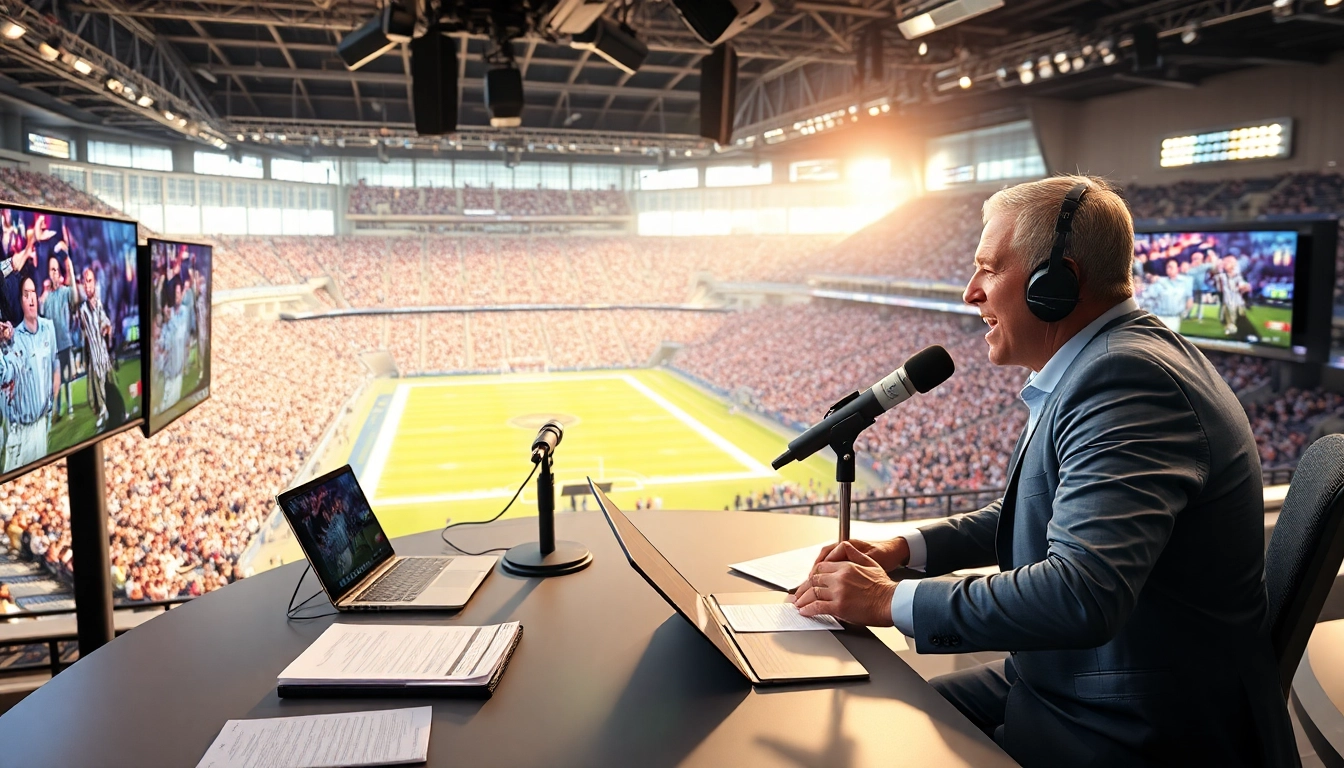
Understanding Sports Broadcasting
What is Sports Broadcasting?
Sports broadcasting encompasses the distribution of sports content across various platforms, delivering live events, analysis, and commentary to audiences. This multifaceted field combines journalism, entertainment, and technology to engage fans and provide access to different sporting events, whether through traditional television, radio, or digital platforms. With the evolution of media, Sports Broadcasting has adapted to new viewer preferences, enabling fans to experience games, highlights, and discussions on various devices.
History of Sports Broadcasting
The roots of sports broadcasting can be traced back to the early 20th century, starting with radio broadcasts in the 1920s. Major events like the 1936 Berlin Olympics were the first televised games, sparking public interest and leading to the establishment of sports networks. The advent of cable television in the 1970s and the subsequent rise of satellite TV revolutionized sports coverage, expanding access and introducing niche channels dedicated solely to sports content. With the arrival of the internet and streaming services, the landscape of sports broadcasting has transformed once again, allowing for on-demand content and personalized viewing experiences.
Key Platforms for Sports Broadcasting
Today, sports broadcasting is delivered through a mix of traditional and modern platforms, each catering to different audience needs. Major platforms include:
- Television: Cable networks such as ESPN and NBC Sports remain dominant for live event coverage.
- Streaming Services: Platforms like Amazon Prime Video and DAZN offer live sports streaming, catering to viewers without traditional cable subscriptions.
- Social Media: Channels like Twitter and Facebook provide highlights, interactive content, and behind-the-scenes access, enhancing fan engagement.
- Podcasts and Blogs: These platforms enable detailed analysis and discussions about sports, appealing to niche audiences seeking in-depth insights.
Essential Techniques in Sports Broadcasting
Effective Communication Skills
A successful sports broadcaster must possess exceptional communication skills. This includes clear articulation, the ability to convey excitement, and engaging storytelling. Broadcasters should be able to read their audience and adjust their tone and pacing accordingly. Learning to create a connection with viewers through relatable commentary can significantly enhance the overall viewing experience.
Utilizing Technology in Sports Broadcasting
In an era where technology plays a crucial role, broadcasters must stay updated with the latest tools that enhance production quality. From advanced camera systems and drones capturing aerial views to virtual reality (VR) experiences that immerse viewers, the integration of cutting-edge technology can elevate the broadcast. Mastering editing software and graphics systems is essential for creating rich, engaging content that stands out.
Interview Techniques with Athletes
Conducting effective interviews with athletes is a vital aspect of sports broadcasting. Interviewers should prepare by researching the athlete’s background, recent performances, and current topics within the sport. Crafting open-ended questions can encourage insightful responses, allowing the audience to gain deeper understanding. Building rapport with athletes is key; a comfortable environment can lead to more authentic and spontaneous sharing of experiences and thoughts.
Challenges in Sports Broadcasting
Dealing with Technical Issues
Technical difficulties are an inevitable aspect of broadcasting that can disrupt live events. Having contingency plans in place is essential. Broadcasters should be adept at troubleshooting common issues, such as audio failures or video feed interruptions. Regular equipment checks and maintaining a strong technical support team can help mitigate these challenges, ensuring seamless broadcast experiences.
Adapting to Changing Audience Preferences
The preferences of sports audiences are continuously evolving, influenced by trends in technology and viewing habits. Broadcasters must remain agile and ready to adapt their strategies to cater to the diverse expectations of younger audiences, who favor digital content and social media interaction. Analyzing viewership metrics and gathering audience feedback can provide insights into what content resonates most.
Navigating Legal Regulations
Sports broadcasting is governed by myriad legal frameworks, including broadcasting rights, licensing agreements, and copyright laws. Understanding these regulations is critical for broadcasters to avoid infringement issues. Negotiating contracts for broadcasting rights can be complex; thus, legal expertise is often required to navigate this landscape effectively and ensure compliance.
Best Practices for Aspiring Broadcasters
Building a Strong Personal Brand
In the competitive field of sports broadcasting, establishing a personal brand is vital. Broadcasters should leverage social media platforms to showcase their personalities, provide insights, and engage with fans. Consistency in messaging and style can help create a recognizable brand that attracts followers. Sharing behind-the-scenes content can humanize the broadcaster and strengthen connections with the audience.
Developing a Unique Style
Every successful broadcaster has a unique style that sets them apart. Aspiring broadcasters should explore different approaches to commentary and storytelling to identify what resonates with their audience. Whether it’s humor, analytical depth, or charisma, finding a personal touch can enhance connection with viewers and create a lasting impression.
Networking within the Industry
Networking is crucial in the world of sports broadcasting. Building relationships with fellow professionals, athletes, and industry leaders can open doors and provide opportunities for growth. Attending sports events, industry conferences, and engaging with online forums can significantly expand a broadcaster’s network. Networking can also provide valuable insights into evolving industry trends and best practices.
Future Trends in Sports Broadcasting
Impact of Streaming Services
Streaming services have revolutionized how fans consume sports, offering flexibility and accessibility. As the demand for personalized viewing experiences increases, broadcasters must adapt their strategies accordingly. Partnerships with streaming platforms allow for broader reach and new monetization opportunities. Innovating within this space will be crucial for future success.
Augmented Reality in Sports Broadcasting
Augmented reality (AR) is set to transform the way fans experience sports. By integrating real-time statistics and interactive elements during live broadcasts, AR can enrich viewer engagement. Broadcasters can leverage AR to provide enhanced analysis and visualizations, creating an immersive experience that keeps audiences captivated.
Predictions for Audience Engagement
The future of audience engagement will likely revolve around interactivity. Features like live polls, viewer-sourced content, and interactive highlights will become increasingly prevalent. Broadcasters who embrace these trends can create a more dynamic viewing experience, thereby expanding audience involvement and loyalty.
Frequently Asked Questions
What skills do I need to become a sports broadcaster?
Key skills include effective communication, strong storytelling abilities, and adaptability to various media platforms. A good broadcaster also stays informed about sports trends and developments.
How can I improve my interview skills with athletes?
Research the athlete beforehand, prepare open-ended questions, and foster a comfortable environment. Active listening ensures you can follow up on interesting points during the conversation.
What are common challenges in sports broadcasting?
Common challenges include technical issues, changing audience preferences, and navigating legal regulations. Being proactive and adaptable can help overcome these hurdles effectively.
How important is networking in this industry?
Networking is crucial for building relationships and gaining opportunities. Engaging with industry professionals can provide insights and open new doors for career advancement.
What trends are impacting the future of sports broadcasting?
Key trends include the rise of streaming services, integration of augmented reality, and the emphasis on interactive engagement. Broadcasters must adapt to stay relevant and attract audiences.